

Posted by Aham Emmanuel
14 May, 2026
U.S. Delegation in China Under Strict Digital Lockdown
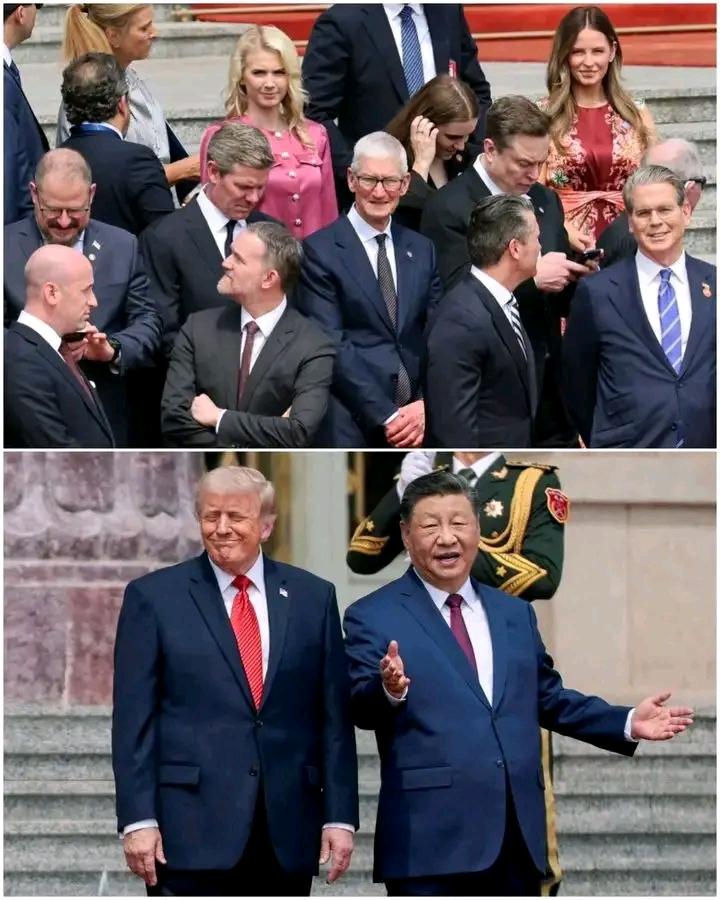
During President Donald Trump’s state visit to Beijing, the entire U.S. delegation has been placed under what officials describe as a “digital lockdown.” In practice, this means that American officials, aides, Secret Service personnel, and even CEOs of major corporations accompanying Trump have left their personal smartphones, laptops, and tablets at home.
Instead, they are using specially issued “clean” or burner devices with heavily restricted functionality and limited data access. These devices are designed to minimize exposure to potential cyber threats. U.S. federal guidelines strictly prohibit plugging any equipment into unknown USB ports or local charging stations, citing the high risk of malware or data theft. Only verified government chargers and power banks are permitted.
American officials are operating on the assumption that every Wi‑Fi network and electronic device in China is potentially compromised. This extreme level of digital hygiene reflects longstanding concerns in Washington about cyber espionage and surveillance risks during high‑level visits.
The measures extend beyond government personnel to include prominent business leaders such as Elon Musk, who joined the delegation. Executives are subject to the same restrictions, underscoring the seriousness with which U.S. authorities view the cybersecurity environment in China.
China’s embassy spokesman, Liu Pengyu, has rejected all accusations of cyber espionage, insisting that such claims are unfounded and politically motivated. Beijing maintains that it provides secure and respectful conditions for visiting delegations.