


Posted by admin admin
17 May, 2026
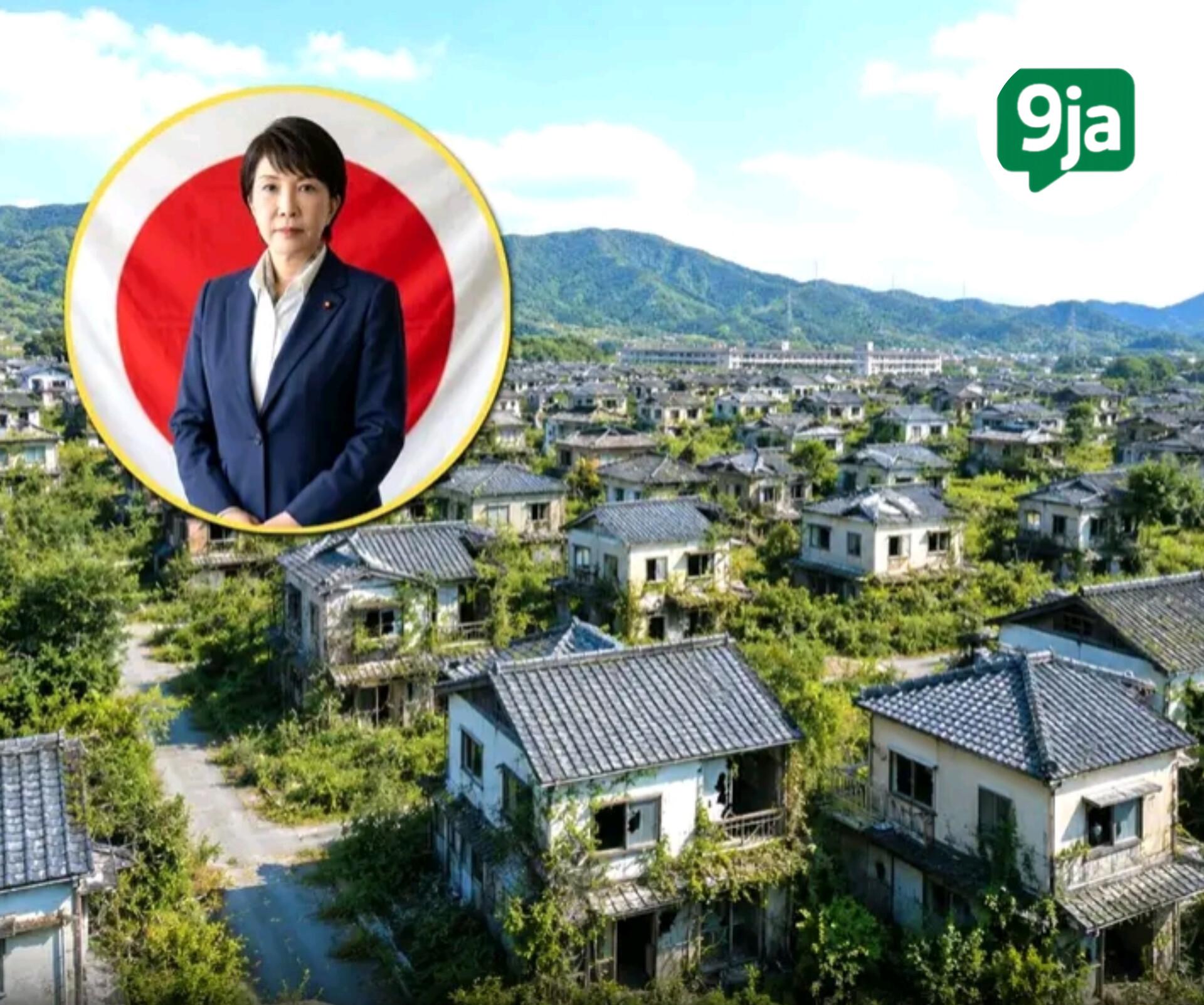
The Ghost town of Japan
Drive through the Japanese countryside and you'll notice something quietly unsettling. Houses sit behind overgrown hedges, their wooden shutters warped and grey. Gardens that someone's grandmother once tended are swallowed by weeds. A child's shoe, left on a doorstep. A rusted bicycle leaning against a wall it will never leave.
These are Japan's akiya — "empty houses" — and there are nearly 10 million of them.
How a Nation Leaves Its Homes Behind
It didn't happen overnight. For decades, Japan has been shrinking. Families are having fewer children. Young people, chasing jobs and opportunity, are moving to Tokyo, Osaka, and Yokohama. And when the grandparents who stayed behind finally pass, there's often no one left to inherit the home they built.
What happens next is a quiet bureaucratic trap. Selling an older rural property is complicated. Demolishing it is expensive. And so, faced with paperwork, taxes, and a home nobody wants, families do the only thing that feels manageable: they walk away and never look back.
Multiply that decision by millions of families over several generations, and you get entire villages where more houses are empty than occupied. Streets where your only neighbors are silence and overgrown persimmon trees.
The Government's Unlikely Answer: Free Houses
Desperate to reverse the decline, local governments across Japan began doing something radical — giving homes away.
Through programs called Akiya Banks, municipalities list abandoned properties online, sometimes for prices as low as ¥0. The pitch is simple: move here, breathe life back into this community, and the house is yours.
The idea captured the world's imagination. Blog posts went viral. YouTube channels filmed renovations. Foreigners began dreaming of a quiet life in the Japanese mountains for the cost of a plane ticket.
But the reality is more complicated.
The Catch Nobody Warns You About
Many of these homes haven't been touched in 20 or 30 years. Roofs sag. Floors rot. Electrical systems predate modern safety standards. The renovation cost — easily ¥5 to ¥15 million for a serious fixer-upper — can dwarf whatever you saved on the purchase price.
And then there's the harder question no price tag can answer: Would you actually want to live there?
Rural Japan can be breathtaking. It can also be profoundly isolated. Train lines are infrequent. Hospitals are far. Local shops are closing. Young families face the same calculus that emptied these towns in the first place — and often reach the same conclusion.
More Than a Housing Problem
What Japan is really wrestling with isn't a surplus of empty houses. It's the slow unraveling of a way of life.
Every akiya is a story — of a family that scattered, a community that thinned, a local festival that no longer has enough people to hold. The homes themselves are almost beside the point. What's truly being lost is the social fabric that once made these places worth living in.
The Akiya Banks are a creative and genuinely hopeful response. Some towns are succeeding — attracting young couples, remote workers, even foreign settlers who fell in love with rural Japan. But for every success story, dozens of villages continue to quietly fade.
The houses are free. Rebuilding a community is the hard part.
The Ghost town of Japan