Posted by Aham Emmanuel
03 Aug, 2026
Gowon Says Igbos Were Compensated After Civil War, Defends Awolowo Over £20 Policy
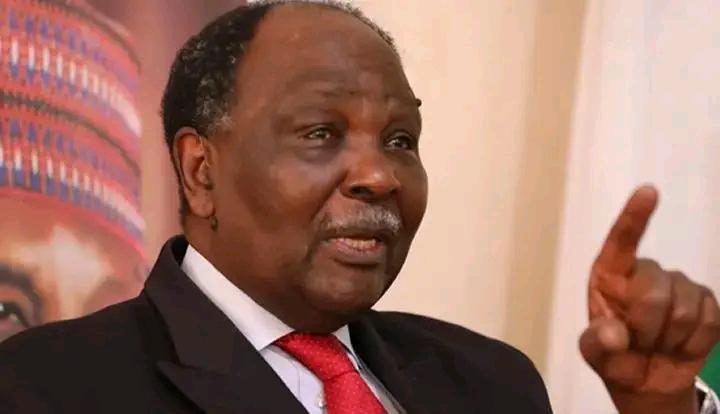
Former Military Head of State Gen. Yakubu Gowon has said Igbo people who held verifiable bank deposits before the Nigerian Civil War received their money back in full, along with accrued interest, once the conflict ended. He made the claim in his memoir, My Life of Duty and Allegiance, which also defends the late Chief Obafemi Awolowo, the war-time Federal Commissioner for Finance, against long-standing accusations that he devised a policy limiting payouts to returning Biafrans to £20 regardless of how much they had held before the war.
Gowon, who led Nigeria from 1966 to 1975, said the post-war currency policy was a collective decision of the Federal Executive Council rather than a unilateral move by Awolowo, who he said was only a commissioner under his administration. He explained that the Central Bank set up a panel to examine how to handle the Biafran pound after the war, ultimately deciding against a direct one-to-one currency exchange because the amount of Biafran currency in circulation couldn't be accurately verified, and doing so risked destabilizing the economy — partly due to large-scale looting at Central Bank branches in Benin and Enugu during the war. He noted the Biafran pound held no international value and wasn't recognized as legal tender by the federal government.
Gowon's account revives a decades-old controversy. The £20 policy has long been cited by Igbo commentators — including the late novelist Chinua Achebe, in his book There Was a Country — as an example of deliberate economic marginalization following the war, alongside allegations of asset seizure via the Abandoned Property policy in the former Eastern Region. Gowon has previously rejected these characterizations, maintaining his post-war "no victor, no vanquished" policy of reconciliation was intended to ensure fair treatment, and saying in past remarks that he was unaware of any Igbo bank accounts being seized.