


Posted by admin admin
30 Mar, 2026
Us Marine Arrive In Middle East
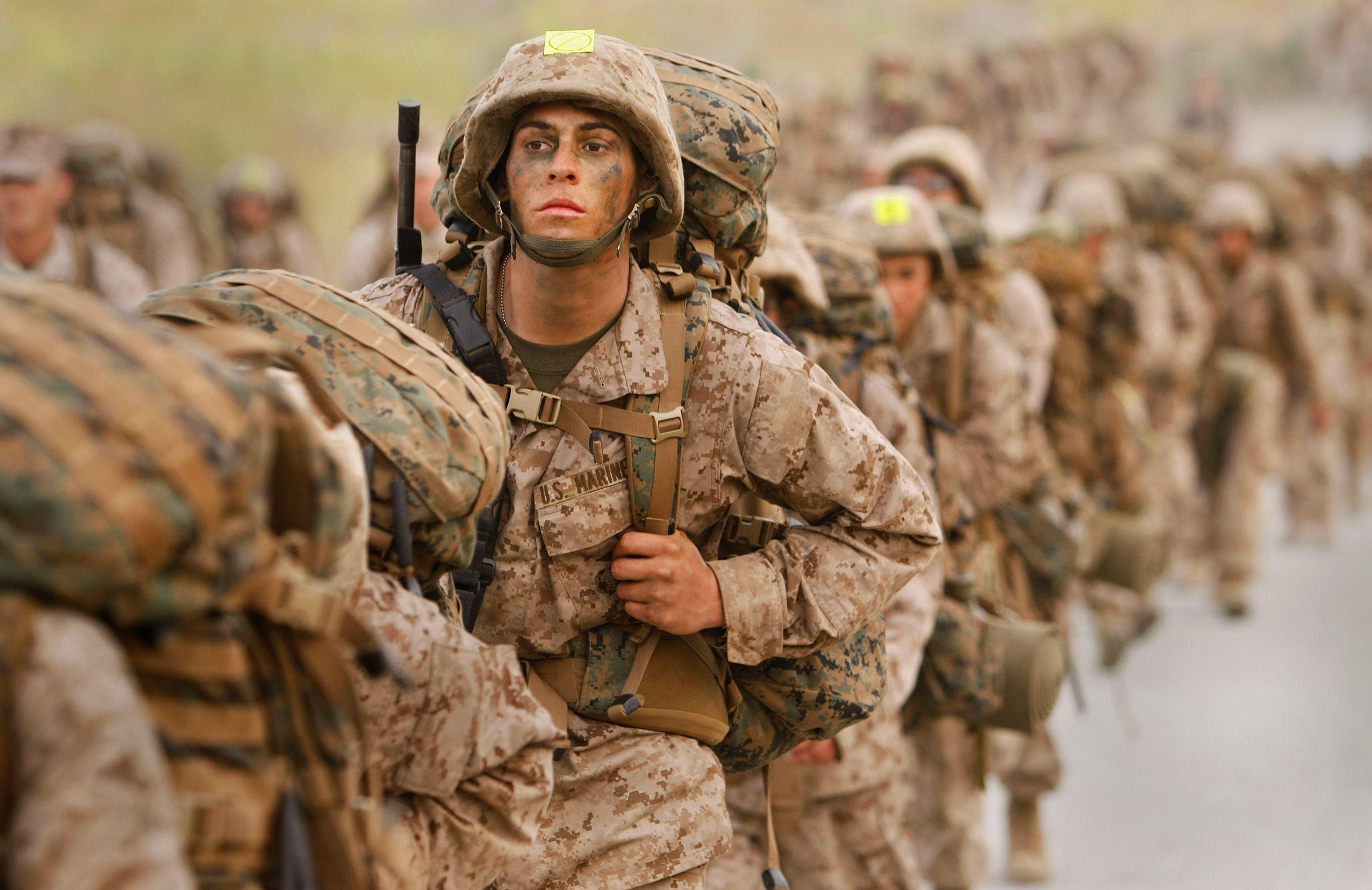
More than 3,500 U.S. Marines and sailors have arrived in the Middle East aboard the USS Tripoli and other amphibious assault ships, marking a major escalation in the U.S.–Israel war against Iran. Their deployment signals Washington’s readiness to expand operations, including possible ground actions near the Strait of Hormuz.
The arrival of thousands of U.S. Marines in the Middle East marks a significant escalation in the ongoing conflict involving Israel and Iran. Amphibious assault ships carrying Marines and advanced equipment have docked in strategic locations, signaling Washington’s readiness to expand operations beyond airstrikes and naval patrols.
Impact on the Middle East
This deployment increases U.S. military presence in a region already tense with missile attacks, drone strikes, and energy disruptions. Gulf states now face heightened security concerns, while global markets remain volatile due to fears of shipping disruptions through the Strait of Hormuz.
What It Means for Iran
Iran has condemned the arrival of U.S. forces, warning that any ground operations would be met with fierce resistance. Tehran’s allies, including the Houthis in Yemen, have already joined the fight, and further escalation could draw in more regional actors.
Chances of Invasion
Analysts suggest that while the Marines’ presence raises the possibility of limited ground operations—such as securing oil export hubs or disabling missile sites—an outright invasion and occupation of Iran remains unlikely due to the scale of resistance and international risks. Still, the deployment signals that Washington is prepared for more aggressive options if the conflict worsens.
Ongoing Peace Talks
Despite the military buildup, diplomatic channels remain open. Some neutral nations are pushing for negotiations to prevent a wider regional war. However, with both sides hardening their positions, peace talks face significant obstacles.
In summary, the arrival of U.S. Marines intensifies the Middle East conflict, raises fears of invasion, and complicates fragile peace efforts. The world now watches closely to see whether diplomacy or escalation will define the next phase of this war.
Us Marine Arrive In Middle East