


Posted by admin admin
13 Apr, 2026
Trump Sparks Global Outrage With AI Image and Attack on Pope
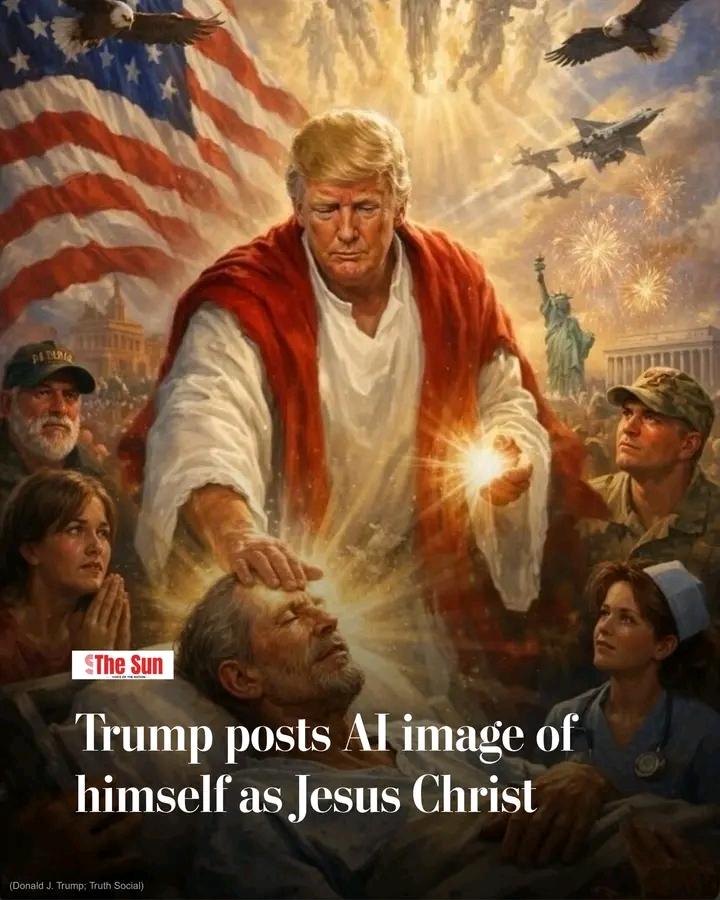
U.S. President Donald Trump has ignited fresh controversy after posting an AI‑generated image depicting himself as Jesus Christ, while simultaneously launching a verbal attack on Pope Leo XIV. The incident has drawn sharp criticism from religious leaders, political analysts, and the global public, who view the move as both provocative and deeply disrespectful.
The AI‑generated image, shared on Trump’s social media platforms, portrayed him in a messianic light, sparking outrage among Christian communities who condemned the act as blasphemous. Critics argue that the post trivializes sacred religious imagery for political gain, while supporters claim it was meant to symbolize strength and resilience.
Adding to the uproar, Trump directed harsh words at Pope Leo XIV, dismissing the pontiff’s recent calls for global peace as “weak” and “misguided.” The Pope’s appeal had emphasized dialogue and reconciliation amid rising geopolitical tensions, but Trump’s remarks underscored his preference for a more confrontational stance.
The dual controversy has intensified debates about the intersection of politics, religion, and technology. Analysts warn that the use of AI‑generated religious imagery by political figures could set a dangerous precedent, blurring boundaries between faith and propaganda.
Global reactions have been swift, with many urging restraint and respect for religious sensitivities. The Vatican has yet to issue an official response, but observers expect the matter to further strain relations between Trump and Catholic leadership.
This episode highlights how digital tools, when combined with political messaging, can inflame divisions and spark international backlash. As the debate unfolds, the controversy serves as a reminder of the power — and peril — of AI imagery in shaping public discourse.
Trump Sparks Global Outrage With AI Imag...