


Posted by admin admin
15 Apr, 2026
Strait of Hormuz Blockade Intensifies as U.S.–Iran Talks Falter
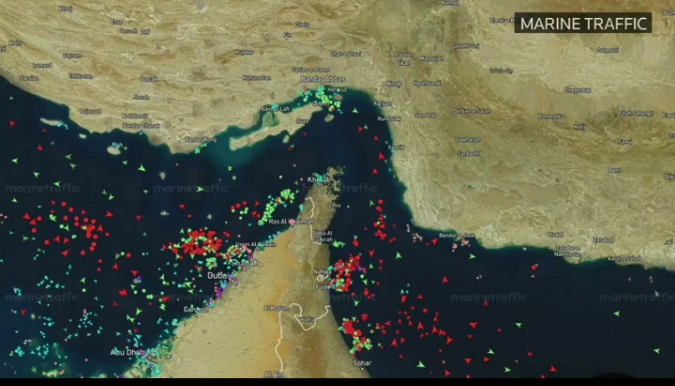
Global attention has turned to the Strait of Hormuz after U.S. President Donald Trump announced a naval blockade of Iran’s ports, following the collapse of weekend peace negotiations in Islamabad. Vessel trackers now show heightened traffic and military presence in the strategic waterway, which carries nearly one‑fifth of the world’s oil supply.
The blockade marks a dramatic escalation in Washington’s pressure campaign against Tehran, aimed at forcing Iran to accept a ceasefire and scale back its nuclear ambitions. Analysts warn that the move could trigger sharp spikes in global energy prices and increase the risk of direct confrontation in the Gulf region.
Sources told Reuters that negotiators from both sides may return to Islamabad later this week to resume talks. Diplomats are working urgently to salvage dialogue, hoping to prevent the crisis from spiraling into a broader conflict.
Iran has yet to issue a formal response to the blockade, but regional observers expect strong resistance. The Strait of Hormuz has long been a flashpoint in U.S.–Iran relations, with both sides using the waterway as leverage in geopolitical disputes.
The situation underscores the fragile balance between diplomacy and military power in the Middle East. As naval forces tighten control around Iran’s ports, the world watches closely to see whether renewed negotiations can ease tensions or whether the blockade will ignite a wider confrontation with global consequences.
Strait of Hormuz Blockade Intensifies as...